
Ultimate Guide To Culvert Installation Products For Contractors
Get insights into essential culvert products that improve installation speed, safety, and structural integrity on your job site.
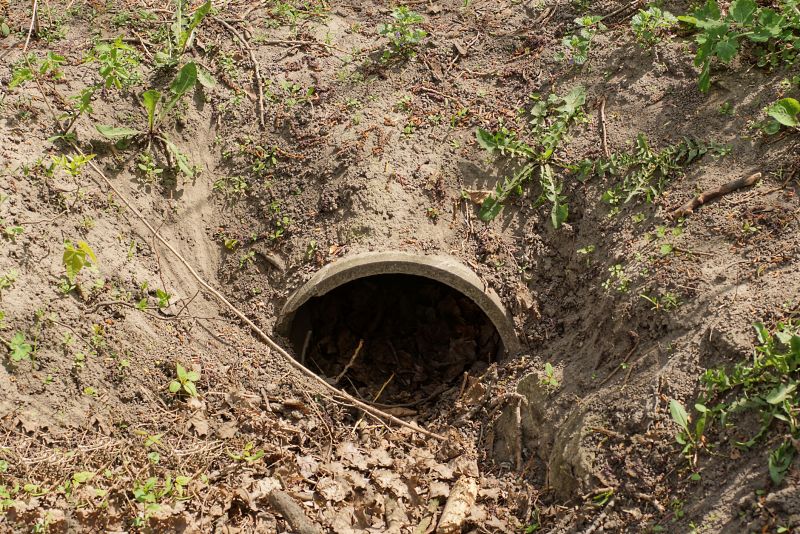 Culvert installation is a critical component in managing water flow across various terrains, especially in areas prone to flooding or requiring proper drainage systems. Selecting the right products ensures durability, proper flow capacity, and ease of installation. When planning a culvert project, understanding the range of available products can help in making informed choices that suit specific site conditions and project requirements.
Top Overall Option
High-Density Polyethylene (HDPE) Culvert Pipe
HDPE culvert pipes are widely used for their flexibility, corrosion resistance, and ease of installation. They come in various diameters and lengths, suitable for a range of drainage and water management projects. Their lightweight nature simplifies handling and transportation, making them a popular choice for many applications. HDPE pipes are also resistant to chemicals and biological degradation, contributing to their longevity in different environments.
Types of Products For Culvert Installations
Corrugated Metal Culvert Pipes
Designed for durability and strength, these pipes are often used in heavy-duty applications requiring high load capacity.
Reinforced Concrete Culvert Pipes
Known for their robustness and long service life, ideal for large-scale infrastructure projects.
High-Density Polyethylene (HDPE) Culvert Pipes
Flexible, lightweight, and resistant to corrosion, suitable for various drainage needs.
PVC Culvert Pipes
A plastic option offering ease of installation and resistance to chemical corrosion.
Composite Culvert Systems
Combine different materials for tailored performance in challenging environments.
Precast Concrete Headwalls
Preassembled structures that help direct water flow and provide structural support at culvert entrances.
End Sections and Flared Outlets
Accessories that facilitate connection and improve water flow efficiency.
Bedding Materials
Crushed stone or gravel used to support culvert pipes and ensure stability.
Flexible Couplings
Connect different pipe sections securely, allowing for movement and adjustments.
Drainage Grates and Covers
Protect culverts from debris and facilitate water entry while preventing blockages.
Waterproof Sealants and Gaskets
Ensure leak-proof connections between pipe sections and accessories.
Erosion Control Products
Materials like silt fences and mats to prevent soil erosion around culvert installations.
Popular Choices
Favored for their lightweight and corrosion resistance, suitable for many drainage projects.
A common choice for high load capacity applications requiring durability.
Often selected for large infrastructure projects due to strength and longevity.
Popular for ease of installation and chemical resistance in various settings.
Commonly used to provide structural support and water direction at culvert entries.
Facilitate secure connections between pipe sections, accommodating movement.
Help prevent debris entry and facilitate water flow into culverts.
Used to stabilize soil and prevent erosion around culvert installations.
Supports pipe stability and promotes proper drainage beneath culverts.
Culvert products vary widely, from simple pipes to complex prefabricated systems designed for specific load capacities and environmental conditions. The materials used can include corrugated metal, high-density polyethylene (HDPE), reinforced concrete, and other durable composites. Each material offers different advantages such as corrosion resistance, strength, flexibility, and ease of handling. Proper sizing and installation techniques are essential to prevent issues like clogging, erosion, or structural failure.
In addition to the culvert pipes themselves, accessories such as headwalls, end sections, and bedding materials play a vital role in ensuring a secure and functional installation. Proper planning should consider factors like water flow rates, soil stability, and potential future expansion. Consulting product specifications and installation guides can help determine the most suitable options for your project, ensuring longevity and performance of the culvert system over time.
Whether for small drainage projects or large-scale infrastructure, choosing the right culvert products involves balancing cost, durability, and ease of installation. A comprehensive understanding of product variations and their applications can streamline the process, reduce unforeseen complications, and contribute to the overall success of the project.
Key Buying Considerations
- Determine the expected water flow rate and volume to select appropriately sized culverts.
- Assess the load requirements of the installation site to choose suitable pipe strength and material.
- Consider the soil and terrain conditions to determine the best material for corrosion resistance and durability.
- Evaluate ease of installation and handling, especially if working in remote or difficult locations.
- Review compatibility with existing infrastructure and accessories such as headwalls and end sections.
- Check for compliance with local standards and regulations related to drainage and water management.
- Factor in future expansion or modifications that may require pipe flexibility or additional fittings.
- Consider the environmental conditions, including potential for chemical exposure or biological activity.
- Estimate the total project budget, including materials, accessories, and labor costs.
- Research product availability and lead times to ensure timely project completion.
- Examine the long-term maintenance requirements and durability of the chosen products.
- Look for products with proven performance in similar projects or environments.
- Ensure proper sizing and installation techniques are understood and feasible for the site.
- Prioritize products with clear installation instructions and technical support options.
- Evaluate the environmental impact of materials used, if relevant to project specifications.
This content contains affiliate links and may earn commissions from qualifying purchases. All product information is provided for informational purposes only and does not constitute an endorsement.