Optimal Timing for Culvert Installations
Culvert installations are most effectively performed during periods of stable weather and moderate soil conditions. The optimal timing depends on regional climate patterns, soil type, and project specifics, but generally, late spring through early fall offers the most suitable conditions for installation. During these months, soil moisture levels are balanced, reducing the risk of erosion or compaction issues.
Spring provides longer daylight hours and moderate weather, facilitating efficient work and proper curing of materials.
Summer offers dry conditions ideal for excavation and installation, but extreme heat can impact material handling and worker safety.
Fall allows installation before winter, reducing the risk of weather-related delays and soil freezing.
Winter is generally unsuitable due to frozen ground, snow, and limited accessibility, which can delay or complicate installation.
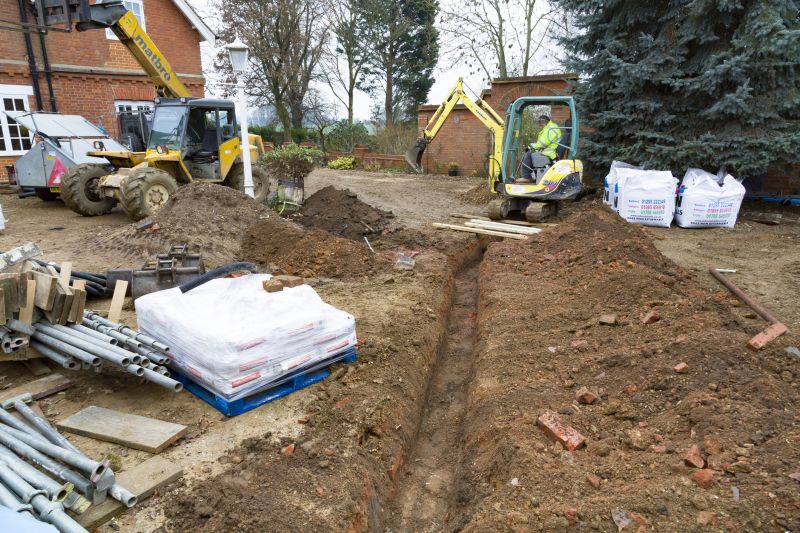
Heavy machinery prepares the site during optimal weather conditions.
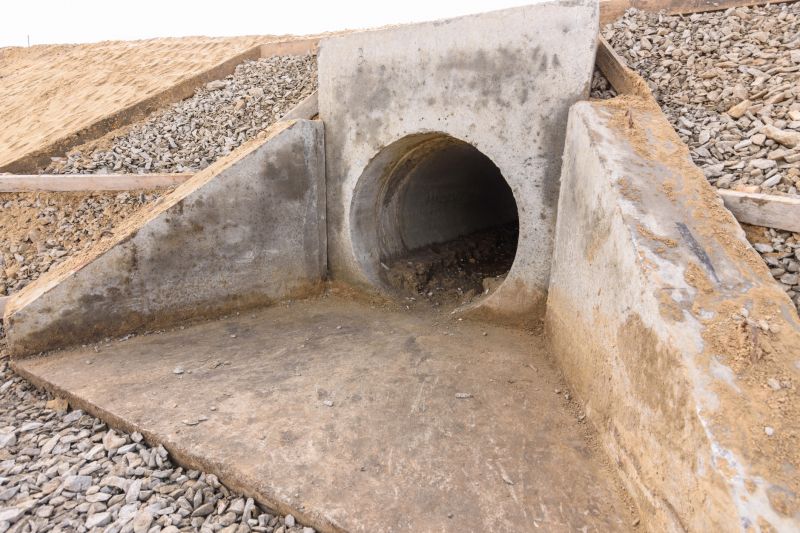
Precision placement ensures proper alignment and stability.
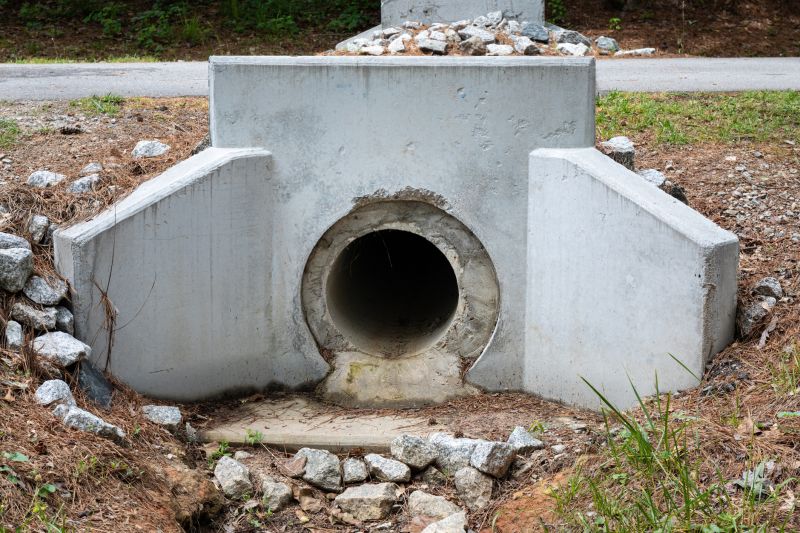
Backfilling is performed to secure the culvert and restore terrain.
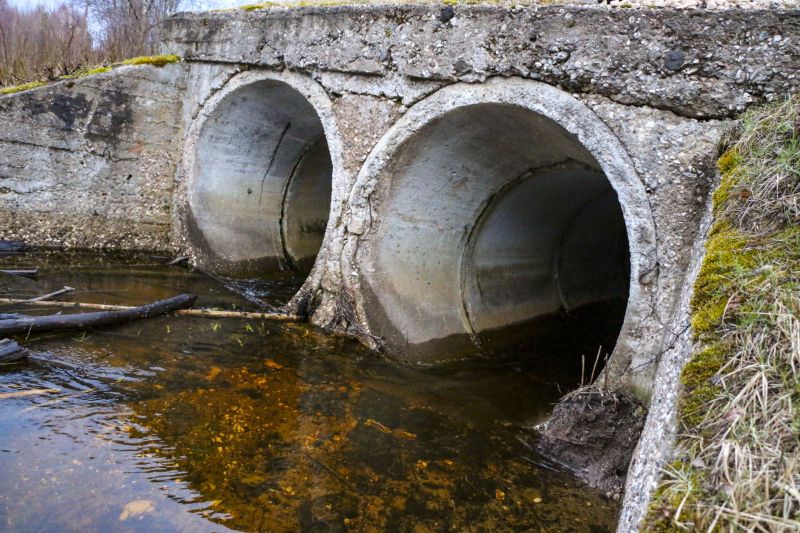
Ways to make Culvert Installations work in tight or awkward layouts.
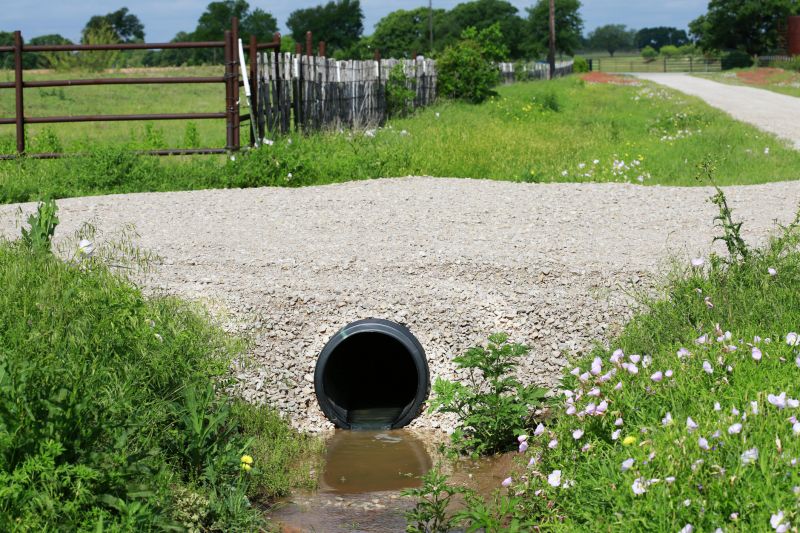
Popular materials for Culvert Installations and why they hold up over time.
Simple add-ons that improve Culvert Installations without blowing the budget.
| Season | Optimal Conditions |
|---|---|
| Spring | Moderate soil moisture, longer daylight, suitable for excavation and curing. |
| Summer | Dry conditions, ideal for installation, but watch for heat-related challenges. |
| Fall | Pre-winter installation, reduced weather delays, soil still workable. |
| Winter | Generally unsuitable due to frozen ground and snow. |
Culvert installations are a critical component in managing drainage and ensuring the stability of infrastructure over waterways, roads, and agricultural land. Proper timing enhances durability, minimizes delays, and ensures safety during construction. The process involves site assessment, excavation, placement, and backfilling, all of which are sensitive to weather conditions and soil properties. Accurate planning and adherence to optimal seasons can significantly impact project success and longevity.
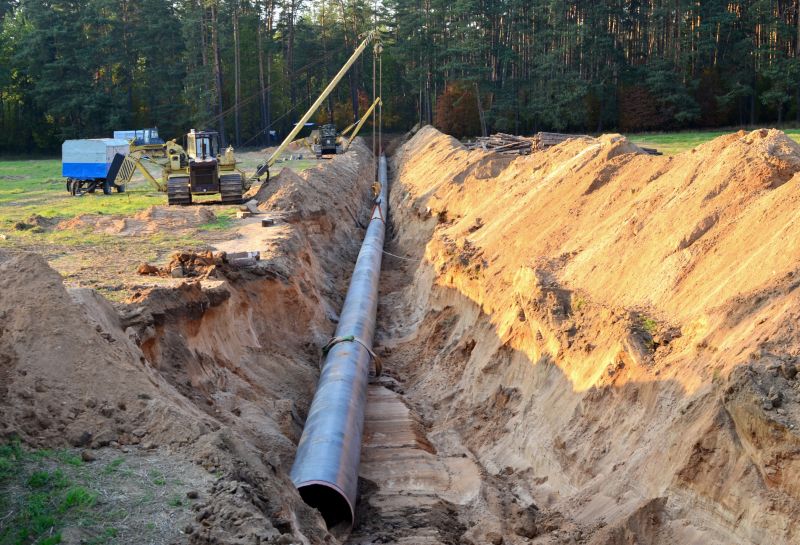
Heavy machinery used during installation process.
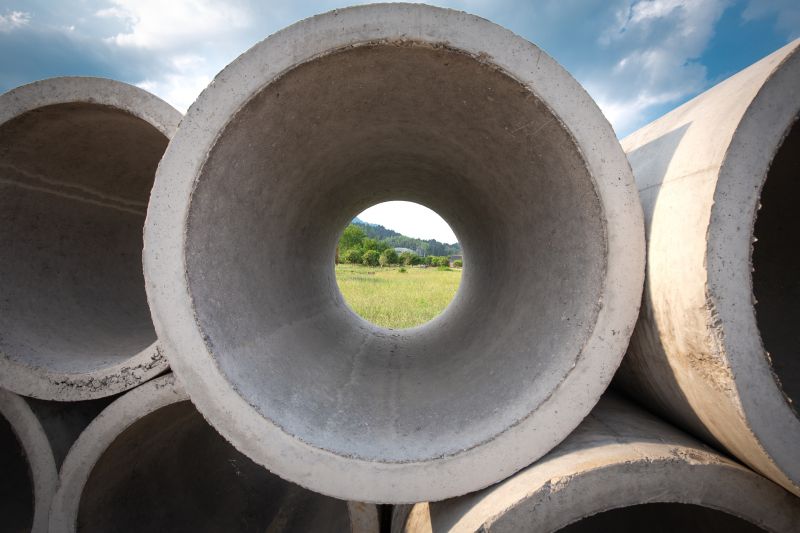
Finished installations ready for use.
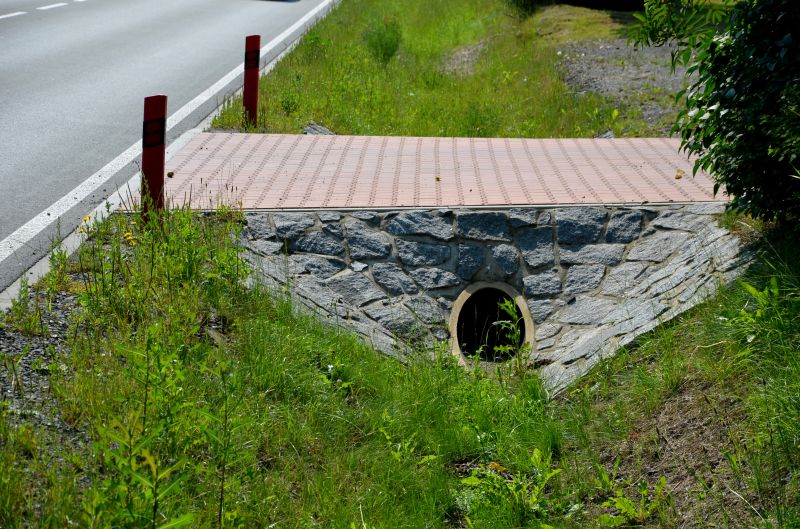
Site prep ensures stability and proper drainage.
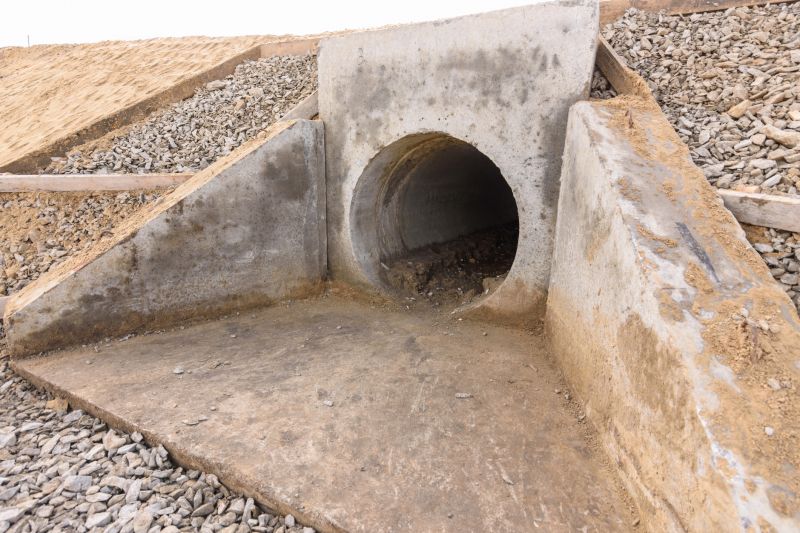
Final assessments before project completion.
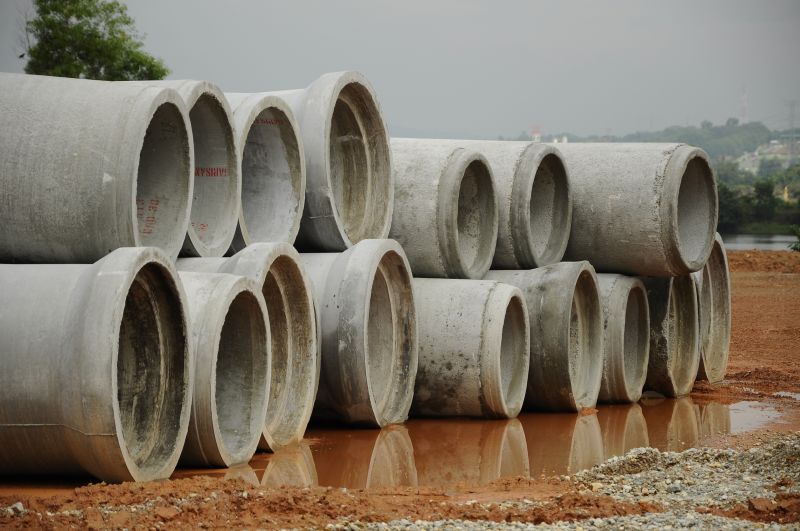
High-end options that actually feel worth it for Culvert Installations.
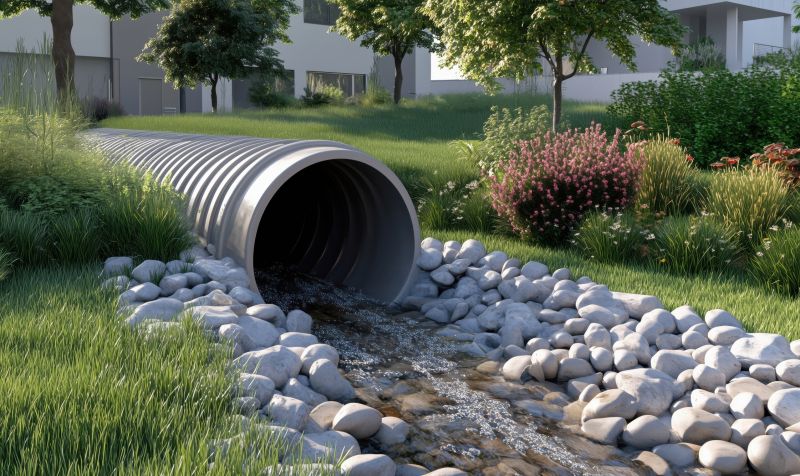
Finishes and colors that play nicely with Culvert Installations.
Interested in culvert installations? Filling out the contact form can provide tailored information and assistance for upcoming projects, ensuring the installation process aligns with regional conditions and project requirements.